Body
The Body pillar covers how you move, what you eat and what your body actually needs to run well: from protein and fibre to vitamins, minerals and electrolytes. Food first, simple training, and honest notes on supplements.
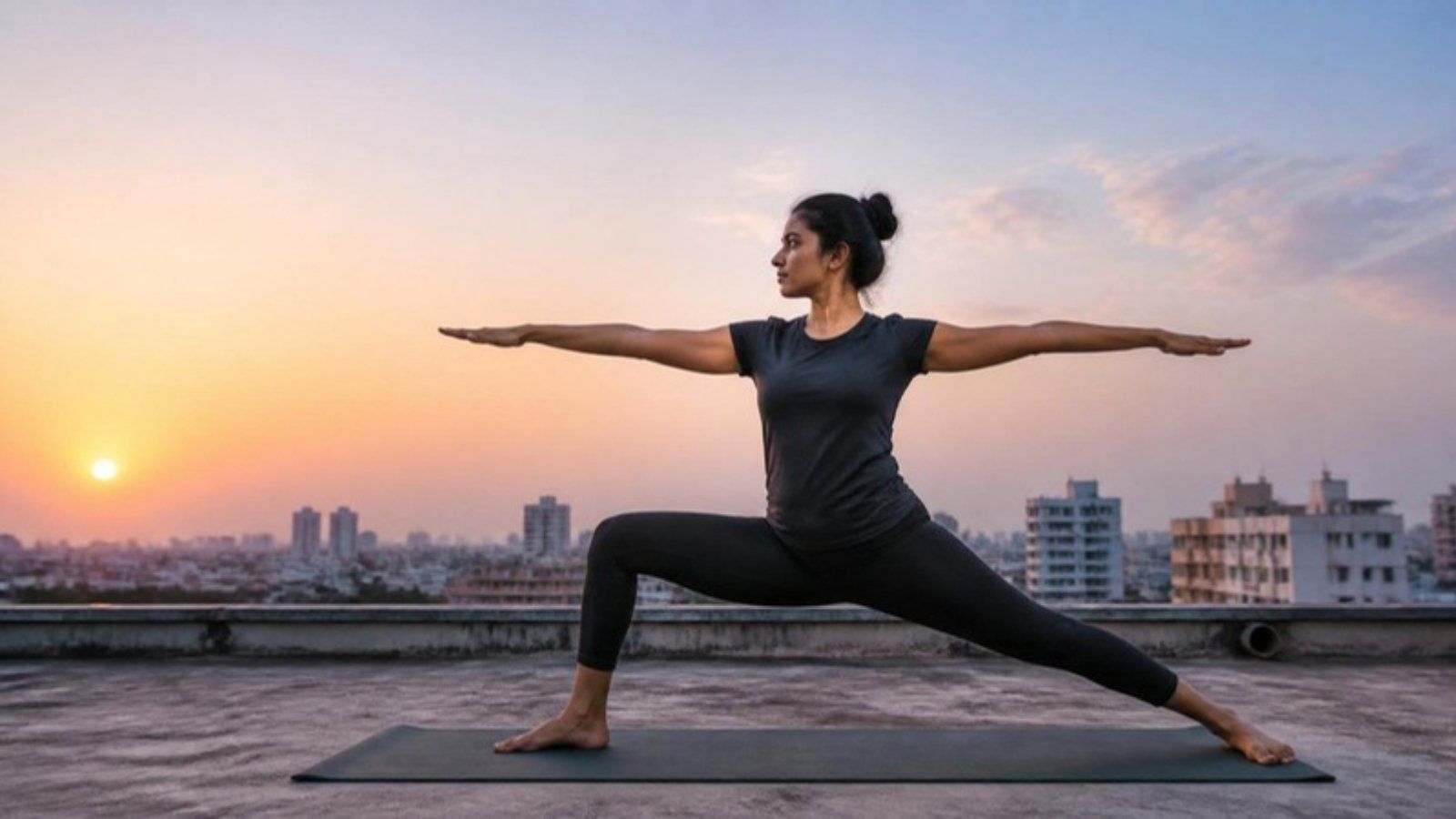


Physical activity
At least 150 minutes of moderate activity a week, plus strength work twice a week.
The World Health Organization recommends that adults do:
- 150 to 300 minutes a week of moderate activity, such as brisk walking, or 75 to 150 minutes of vigorous activity, such as running;
- muscle-strengthening work on two or more days a week;
- less time sitting. Any movement is better than none.
That is about 20 to 40 minutes a day. A daily walk counts.
Exercises
Five basic movements, a daily walk and some mobility cover most of what you need.
You do not need a gym. A simple weekly plan:
| Type | Examples | How often |
|---|---|---|
| Walking or cardio | Brisk walk, cycling, stairs, jogging | Most days, 20 to 40 minutes |
| Strength | Squat or sit-to-stand, push-up, row with a band or backpack, hip hinge, plank | 2 or 3 days a week, 2 or 3 sets of 8 to 12 |
| Mobility | Yoga, stretching, hip and shoulder circles | A few minutes daily, or after training |
Start easy and add a little each week. Stop if you feel sharp pain. If you have a heart condition, joint problems or have been inactive for a long time, check with a doctor first.
Food values
What protein, carbs, fats, fibre and water each do, and a simple desi plate.
Your body needs five things from food and drink every day:
| Nutrient | What it does | Good sources |
|---|---|---|
| Protein | Builds and repairs muscle and tissue | Daal, chana, eggs, chicken, fish, dahi, milk, paneer |
| Carbohydrates | Main fuel for the brain and muscles | Whole-wheat roti, brown rice, oats, fruit, vegetables, pulses |
| Fats | Energy, hormones, and absorbing vitamins A, D, E and K | Nuts, seeds, olive or mustard oil, fish; go easy on ghee and fried food |
| Fibre | Digestion, steady blood sugar, feeling full | Vegetables, fruit, whole grains, daal, chana |
| Water | Temperature, circulation, every cell | Water first; more in hot weather and when training |
How much protein? The standard adult reference amount is about 0.8 g per kilogram of body weight a day. People who train regularly often need more. Fibre: the WHO suggests at least 25 g a day for adults.
Vitamins and minerals
The micronutrients your body cannot make in enough amounts, and where to get them.
Vitamins and minerals are needed in small amounts, but the body cannot make most of them in the amounts it needs. A varied diet covers most people. These are the ones worth knowing:
| Nutrient | Why the body needs it | Where to get it |
|---|---|---|
| Vitamin D | Bones, muscles and immunity | Sunlight on the skin, eggs, oily fish, fortified foods |
| Vitamin B12 | Nerves and red blood cells | Meat, fish, eggs, milk and dahi |
| Folate (B9) | Making new cells; important before and during pregnancy | Palak, methi, chana, daal |
| Vitamin C | Immunity, skin, and absorbing iron from plants | Amrood (guava), kinnow and other citrus, tomatoes |
| Vitamin A | Eyesight and immunity | Carrots, mango, sweet potato, palak, eggs |
| Iron | Carries oxygen in the blood | Red meat, liver, daal, chana, palak (eat with vitamin C) |
| Calcium | Bones, teeth, muscles and nerves | Milk, dahi, paneer, til (sesame), small fish eaten with bones |
| Magnesium | Muscle and nerve function, energy | Nuts, seeds, whole grains, pulses, leafy greens |
| Zinc | Immunity and healing | Meat, chana, pumpkin seeds, cashews |
| Iodine | Thyroid function | Iodised salt |
Electrolytes
Sodium, potassium, magnesium and calcium keep your fluids, nerves and muscles working.
Electrolytes are minerals that carry an electric charge in your body fluids: mainly sodium, potassium, chloride, magnesium and calcium. They control fluid balance, nerve signals and muscle contractions, including your heartbeat.
- You lose them in sweat. In a Pakistani summer, or during long training sessions, you lose fluid and sodium faster than usual.
- Food replaces most of them. Potassium: bananas, potatoes, daal, dates, dahi, coconut water. Magnesium and calcium: see the table above.
- For heavy loss, use ORS. After diarrhoea, vomiting or heavy sweating, oral rehydration salts made up exactly as the packet says are the safest choice.
- Do not overdo salt. The WHO recommends less than 5 g of salt a day (about one teaspoon) for adults. Too much sodium raises blood pressure.
Adaptogens
Herbs such as ashwagandha that may help with stress. Promising, but the evidence is limited.
Adaptogens are herbs said to help the body cope with stress. The best known are ashwagandha, rhodiola, tulsi (holy basil) and ginseng.
- What the research says. Some small studies suggest ashwagandha may lower feelings of stress and help sleep. Most studies are short and small, and products vary a lot in strength and quality.
- Safety. Rare cases of liver injury have been reported with ashwagandha. It is not advised during pregnancy, and it can interact with thyroid, sedative, blood-sugar and immune-suppressing medicines.
- Where they fit. At best, an add-on. They do not replace sleep, training, food and managing the cause of the stress.
Educational content only. Not medical or financial advice. Talk to a doctor or a licensed adviser before acting.
Body articles
All articles →Three common fat-loss myths, and what the evidence actually shows
Gym advice, social media and family wisdom repeat ideas about fat loss that sound logical but do not match the evidence. Knowing the difference saves time, money and frustration.
Fibre: the nutrient most desi plates are missing
Fibre gets less attention than protein, but it supports digestion, steady energy and long-term heart health. Most people can get enough from ordinary food they already know.
BodySleep debt: what it is and why weekends cannot fully repay it
Losing an hour of sleep a night feels harmless. Over a week it adds up, and it quietly affects your focus, mood, appetite and decisions.
BodyCardio vs strength training: what each does and who it suits
Cardio and strength training are often presented as rivals. They solve different problems. Here is what the evidence says about each, and how to think about your own choice.
BodyProtein on a Pakistani plate: how much and where from
Protein helps your body build and repair muscle. You do not need special products to get enough. Everyday desi food can do the job.
BodyWater, salt and heat: staying hydrated in a Pakistani summer
In hot weather you lose water and salt through sweat. Replacing both, and knowing the warning signs of heat illness, protects your health and your training.
BodyLongevity basics: the habits that matter most
Living longer and staying capable is built from a short list of ordinary habits, repeated for decades. Here is the list, without the hype.
BodyA steady wake-up time is the cheapest habit to build
Training and food get most of the attention. A regular wake time costs nothing and gives the rest of your routine a fixed starting point.
BodyWalking: the training habit with the lowest barrier
You need no gym, no kit and no plan to start. A daily walk is the easiest habit to keep, and it counts toward weekly activity guidelines.
BodyStrength twice a week: a simple plan
Muscle-strengthening on two or more days a week is part of standard adult activity guidelines. Five basic movements cover it.